What Is Thermal Water Good For? Benefits and How to Use It
What is thermal water good for, how does it differ from ordinary hot water, who should be careful and how do you get the most benefit? A balanced, honest guide from Efe Termal in Yoncalı, Kütahya.
What Is Thermal Water, and How Is It Different from Ordinary Hot Water?
Most guests who come to Yoncalı arrive with the same curiosity: “Does this water really help, or is it just a warm pool?” The difference between the two is hidden in the water itself. As thermal water rises from deep underground to the surface, it passes through rock and, along the way, dissolves and absorbs minerals such as calcium, magnesium, sodium, bicarbonate and sulphur. That is why it is not right to put hot tap water and thermal water in the same category; one is only heat, the other is heat + minerals + a tradition that has continued for thousands of years. The Yoncalı region is known for thermal springs used for healing since Roman times — so the water here is not something newly discovered, but something with a very long past.
How Does Thermal Water Affect the Body?
The soothing effect of thermal water comes not from one thing but from several factors coming together. The first is temperature: water at around 36-40°C relaxes the muscles, widens blood vessels and quickens circulation. The second is buoyancy: in water your body carries very little of its own weight, which lightens the load on the joints and spine — people who struggle to stand or move often say they can move without pain in the water for the first time in years. The third is the minerals: those absorbed through the skin and inhaled vapour leave a calming effect on the body. And the fourth, often overlooked yet perhaps the most important: relaxation. That deep state of letting go, which kicks in when you slip into warm water and close your eyes, dissolves the tension that stress builds up in the body.
When Is Thermal Water Most Soothing?
The area where thermal springs are traditionally most sought out is musculoskeletal complaints. Rheumatic pain, joint stiffness, lower-back and neck pain, the stiffness that comes with calcification, fibromyalgia and other common muscle pains, and heavy physical fatigue — in all of these, warm mineral water relaxes the muscles and improves circulation, giving a sense of relief. Muscle soreness after sport, or the strain that long hours of desk work load onto the back, are also among the conditions that can benefit from thermal water. Beyond this, in complaints that "show up in the body" — stress, disrupted sleep and general fatigue — our guests describe feeling noticeably calmer after a few days. It also has a softening effect on the skin; skin feeling smoother after thermal water is feedback we hear often.
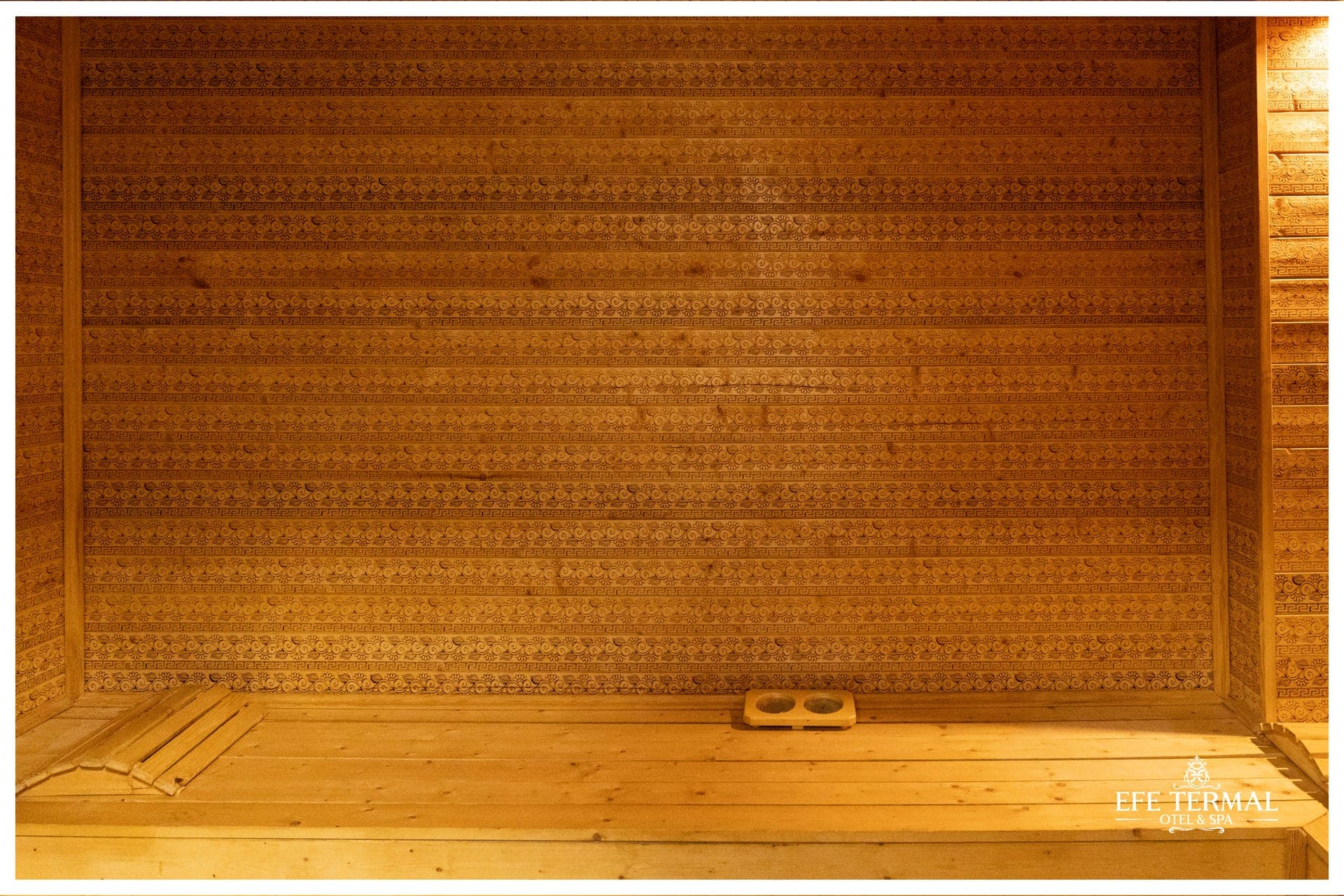
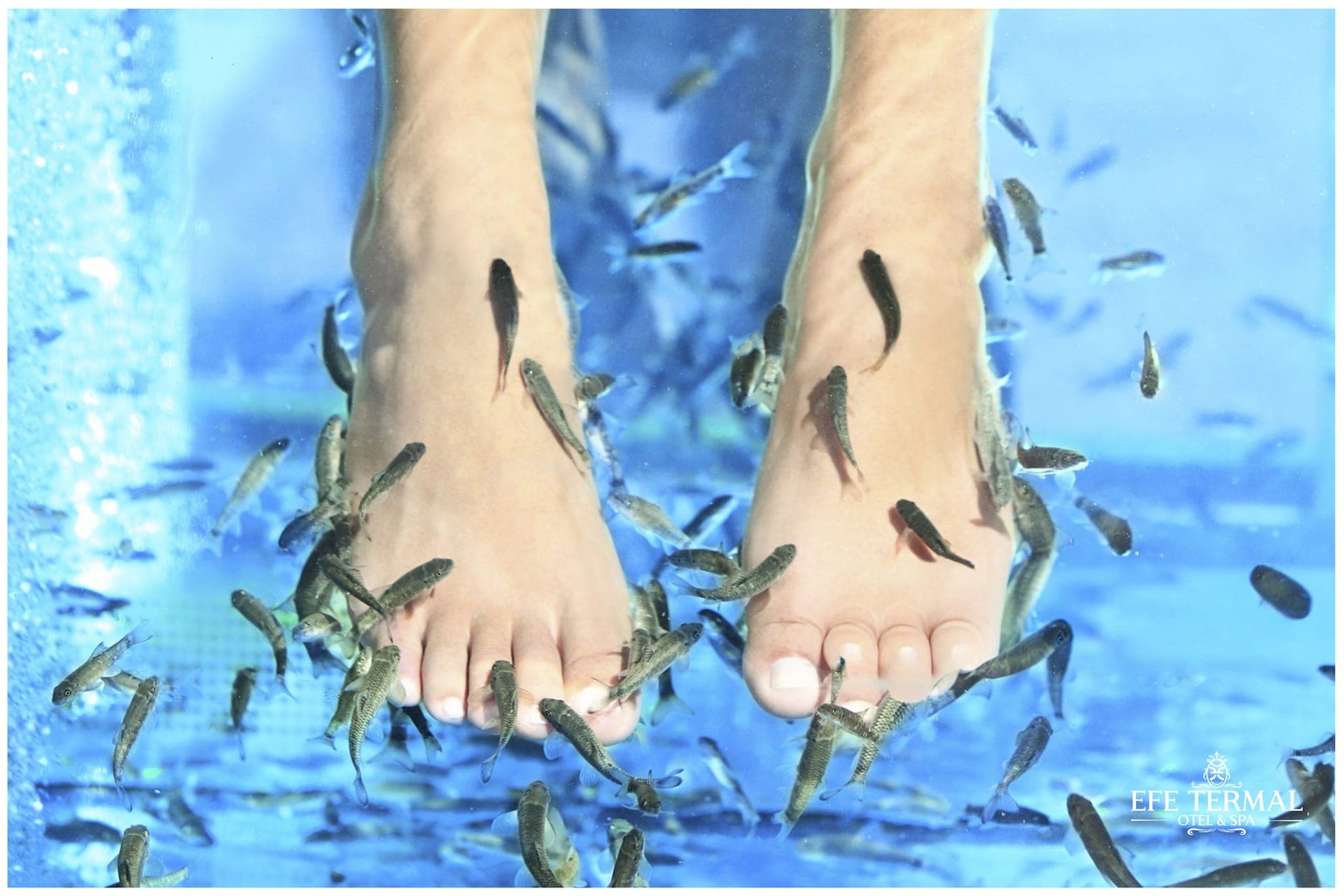
Efe Termal Otel Spa — salt room, sauna and the doctor-fish unit
An Important Reminder: Thermal Water Is Not Medicine
We want to be honest here, because we have a responsibility to our guests. Thermal water is not a miracle, nor is it medicine. We do not claim that it "cures" any illness. What thermal water does is relax the body, support circulation, loosen the muscles and create a general sense of well-being — and this can noticeably improve quality of life in many chronic complaints. However, if you have a serious condition (cardiovascular disease, high blood pressure, pregnancy, an open wound, an active infection, or any chronic diagnosis), we strongly recommend consulting your doctor before entering a thermal pool. In some cases hot water and prolonged immersion can be inadvisable. Used correctly, thermal water is a soothing friend; but like anything with a powerful effect, it must be used sensibly and in moderation.
How to Make the Most of Thermal Water
There are a few simple ways to get the most benefit from thermal water. First, duration: bathing in 15-20 minute stretches at a time is far healthier than staying in for hours; too much can tire the body. Second, hydration: you perspire in thermal water, so drinking plenty of water matters. Third, rhythm: the effect of thermal water becomes far more pronounced with regular sessions spread over several days rather than a single day — this is exactly why traditional spa cures last several days. That is why at Efe Termal we recommend a stay: when you bathe each morning and evening over a few days and spend the time in between resting, your body gains far more than it would from a single-day visit. Combine our massage and spa treatments with the thermal water, and the relaxation only multiplies.
The Water of Yoncalı and Efe Termal
Efe Termal is built upon this water — known for its healing reputation for centuries — in the Yoncalı region of Kütahya. Our guests meet the water in different ways: from the private thermal pools in their rooms to the hotel’s indoor and outdoor pools, from the traditional Turkish hammam to the sauna. Our aim is to offer the water not with the coldness of a "treatment centre" but with the ease of a holiday where you rest and come back to yourself. Most of our guests arrive tired and leave a few days later feeling lighter in both body and mind. And that is the most beautiful thing about thermal water: without any need to explain what it does, your body feels the difference for itself.
What conditions is thermal water good for?
Thermal water is traditionally found most soothing for musculoskeletal complaints such as rheumatic pain, joint stiffness, lower-back and neck pain, calcification-related stiffness, muscle fatigue and fibromyalgia. It also brings a sense of calm in stress, disrupted sleep and general fatigue, and softens the skin. Thermal water does not "cure" these conditions but can provide support for relaxation and quality of life. If you have a serious or chronic condition, consult your doctor before bathing.
What is the difference between thermal water and ordinary hot water?
Ordinary hot water provides only heat. Thermal water, as it rises from deep underground, absorbs minerals such as calcium, magnesium, sodium and sulphur. Its effect therefore comes from the combination of heat + minerals + the buoyancy of the water; that is what sets it apart from plain hot water.
How long should I stay in a thermal pool?
Stretches of 15-20 minutes at a time are recommended. Staying in for hours can tire the body and excessive heat can cause dizziness. Taking breaks and drinking plenty of water increases the benefit without exhausting you.
Can everyone use thermal water?
For healthy people, thermal water is generally safe. However, if you have cardiovascular disease, high blood pressure, are pregnant, have an open wound, an active infection or a chronic condition, we strongly recommend consulting your doctor before bathing. In some cases hot water and prolonged immersion can be inadvisable.
How many days should I stay to feel the benefit of thermal water?
A single-day visit is relaxing, but traditional spa cures are done with regular sessions spread over several days. To feel the effect clearly, a stay of 2-3 days or longer, with regular but moderate sessions each day, is best.